Korean Convenience Store Food Tour: What to Try at CU, GS25 & 7-Eleven
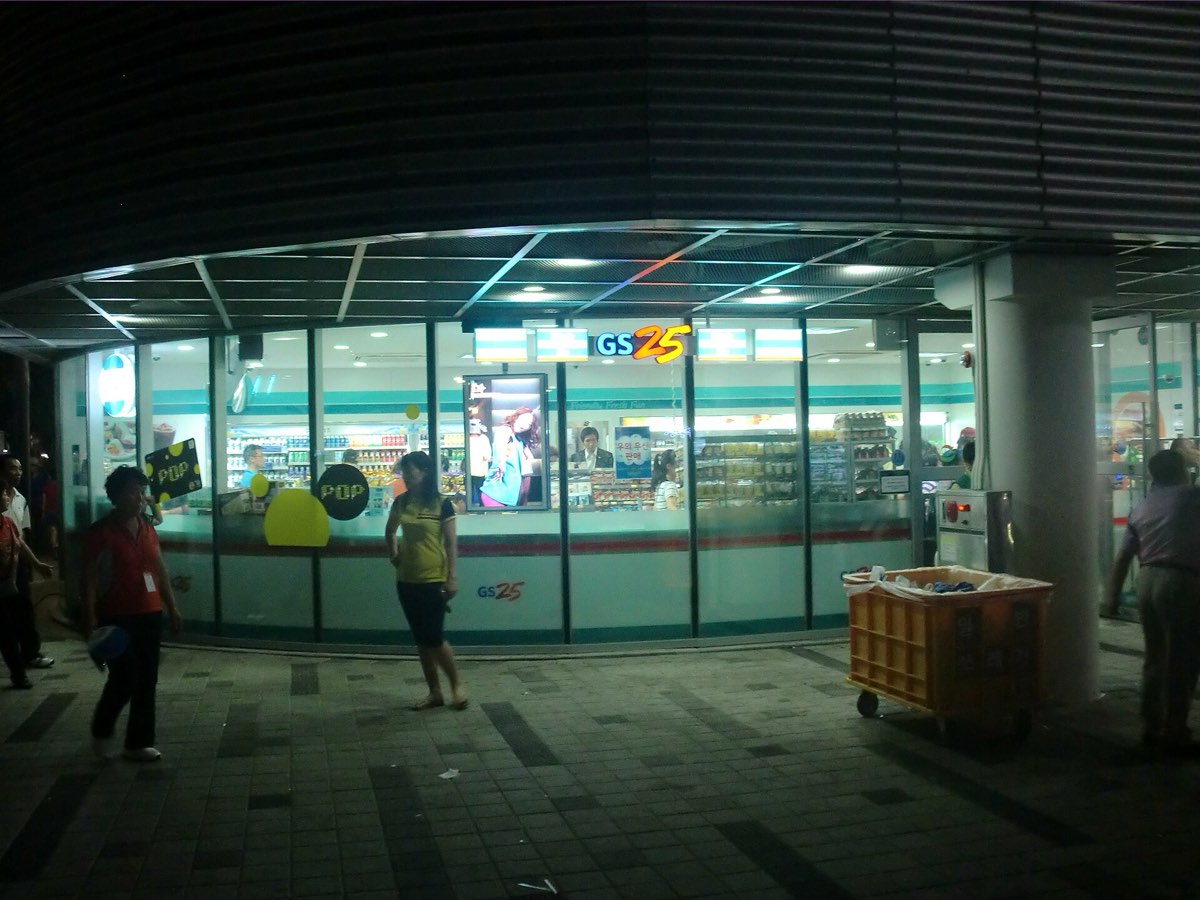
In K-dramas, life’s big moments happen in convenience stores: instant noodles at the window counter after a bad day, soju at the plastic tables outside, a banana milk pressed into someone’s hand. Foreign visitors have noticed — the convenience store food tour is now a genuine travel activity, and honestly, it deserves to be.
Korea’s four chains — CU, GS25, 7-Eleven and emart24 — sell far more ready-to-eat food than a typical corner shop. Pick a branch with seating if you want to eat there, then build a small snack crawl at the prices posted that day.
The ritual: cook-your-own ramyeon
Grab a cup or bag ramyeon (Shin Ramyun and Jin Ramyeon are familiar choices; Buldak is much hotter). If that branch has a hot-water dispenser or ramyeon cooker for customers, follow its instructions and use the designated eating area. Add a triangle gimbap if you like; check the shelf labels for the actual total.
The starter pack
- Samgak gimbap (삼각김밥) — triangle rice parcels, ₩1,200–2,000. Tuna-mayo is the gateway; follow the numbered wrapper tabs carefully.
- Banana milk (바나나맛우유) — the squat yellow tub, beloved since 1974 and a fixture of drama vending-machine scenes. Drink it with the tiny straw stabbed through the foil.
- Gimbap rolls and dosirak lunch boxes — full meals for ₩3,000–5,500, restocked several times daily.
- Corn dogs (hotdog) — heat in the store microwave; the mozzarella ones stretch like the videos promise.
- Steamed egg bread and roasted eggs near the register in winter.
The snack haul (aka souvenirs)
The snack aisle doubles as the cheapest souvenir shop in Korea:
- Honey Butter Chip — the chip that caused a national shortage in 2014
- Choco pies, Pepero, Turtle Chips (flamed corn flavour)
- Jelly everything — Korean fruit jellies are a genre of their own
- Instant coffee (Maxim mix) — the yellow-sachet sweet coffee Koreans drink by the billion; foreign visitors now buy boxes home as gifts. Any convenience store or supermarket stocks it.
Drink like a drama character (responsibly)
The green soju bottle and the plastic outdoor table are familiar K-drama images. Some convenience stores sell alcohol and have outdoor seating, but seating and drinking rules depend on the branch and location. Check posted signs and ask staff before using a table, and clear up afterward.
Where this fits your trip
A convenience store can be a quick meal or a place to try snacks between stops on our itineraries. If you want the window-counter ramyeon scene, choose a store that actually has customer seating and cooking facilities before buying the noodles.
Frequently asked questions
Can you eat inside Korean convenience stores?
Some branches have seats, hot water, microwaves or ramyeon cookers; equipment and eat-in permission vary by store. Look for a marked eating area and ask staff before preparing food there. Clear the space when done.
What is samgak gimbap?
Triangle-shaped rice parcels wrapped in seaweed with fillings like tuna-mayo, bulgogi or spicy chicken, usually ₩1,200–2,000. Follow the numbered tabs on the wrapper to open it without tearing the seaweed — everyone fails the first time.
Do Korean convenience stores take foreign credit cards?
Many branches accept internationally issued cards, but a particular terminal or contactless method may fail. Carry another payment option and ask staff if your card is declined.
Are Korean convenience stores open 24 hours?
Hours vary by branch. Many city stores operate late or 24 hours, while others close overnight. Check the specific store's listing or posted hours.