- Address
- Guryongpo-eup, Nam-gu, Pohang-si, Gyeongsangbuk-do
- Getting there
- KTX to Pohang Station, then bus 900 or a 40-minute taxi to Guryongpo.
- Hours
- The village and the Japanese House street are open at all hours. Guryongpo Modern History Museum is closed for building works until November 2026. Its normal hours are 10:00–17:30, Tuesday to Sunday, closed Mondays.
- Admission
- Free — the village, the street and the museum all cost nothing. Free public car park opposite the Japanese House street at Guryongpo harbour.
Guryongpo Village
Free to visitThe streets cost nothing and never close. The museum inside is shut for renovation until around November 2026.
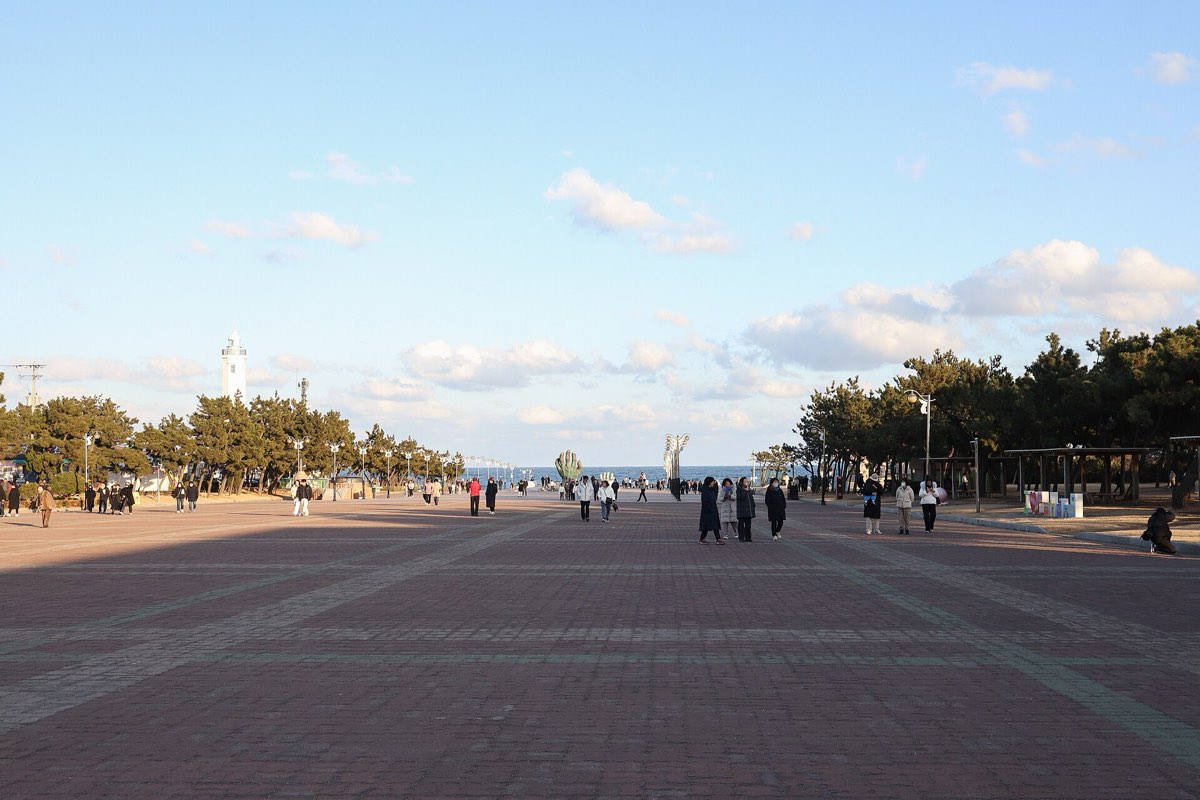
A Pohang fishing town of cliffside lanes and a Japanese-era heritage street — the real face of Hometown Cha-Cha-Cha's Gongjin, gwamegi capital of Korea.
What the sources show
🔎 Last checked · September 2026We compare official notices, location records and Korean-language visitor reports. Specific opening hours, fares and access can change; check the linked operator information before travel.
- The museum is shut for building works right now
- Guryongpo Modern History Museum closed on 21 May 2026 for structural repairs, with the contract running to 16 November 2026. Six of the seven visit reports we read from late May onwards found the door closed. The city page says November, the contract says the 16th and the notice on site says after October, so treat the reopening date as unsettled. Its normal hours are 10:00-17:30 Tuesday to Sunday, closed Mondays, and admission is free — several English pages still say it is ticketed.
- It is not pushchair-friendly inside
- The staircases in the museum house are narrow and steep. The street outside is fine, but the interior is not manageable with a pushchair.
- Parking is free at the harbour
- Use the public car park at Guryongpo harbour; it costs nothing. The gwamegi and mulhoe restaurant street nearby also has free parking.
- Why a Japanese quarter is here at all
- After the 1883 Korea–Japan trade agreement, Japanese fishing families settled along the Korean coast, and Guryongpo — already a working fishing port — grew into one of their larger communities. The preserved street is what they left. Knowing that changes how the buildings read.
- The hilltop viewpoint is a climb
- The neighbourhood viewpoint on Gonryunsan that appears in visitor photos involves a real uphill walk. Korean visitors say it is worth it but do not undersell the effort.
- The drama houses are lived in
- Hye-jin's and Du-sik's houses sit on the lanes above the harbour and are private homes in an occupied neighbourhood. Shoot from the street.
Based on: 18 Korean-language pages read on 9 September 2026 — Naver Place and Pohang city listings, the city's public works contract record, and ten visit reports from 2025-2026
Source links:
- Korea Tourism Organization — Gongjin filming sites around PohangOfficial
- Guryongpo Modern History Museum published opening informationOfficial
- Korean visitor reports, 2026 — parking, access, viewpointReport / visitor account
Dramas filmed at Guryongpo Village
Visiting tips
The drama houses sit a minute apart on the lanes above the harbor — they’re private homes in a lived-in neighborhood, so shoot from the street and keep voices down. The town has embraced its Gongjin identity: signboards and a marked walking course connect the spots.
Guryongpo’s own attraction predates the drama: the Japanese House Street, a preserved 1900s colonial-era fishing quarter, and winter’s gwamegi (half-dried saury) — the town is Korea’s capital of it. Come November–February to eat it the local way, wrapped in seaweed with raw garlic.
What’s nearby
Homigot Sunrise Square — the giant bronze “Hand of Harmony” rising from the sea, Korea’s mainland easternmost point — is 20 minutes up the coast and pairs with Guryongpo for the classic Pohang half-day. The rest of the Hometown Cha-Cha-Cha map (Cheongha Market, Wolpo Beach, the hilltop boat) lies on Pohang’s northern coast, best chained by car or taxi.