Eat Like a K-Drama Lead in Jeonju: Nambu Market & Hanok Village Food Guide
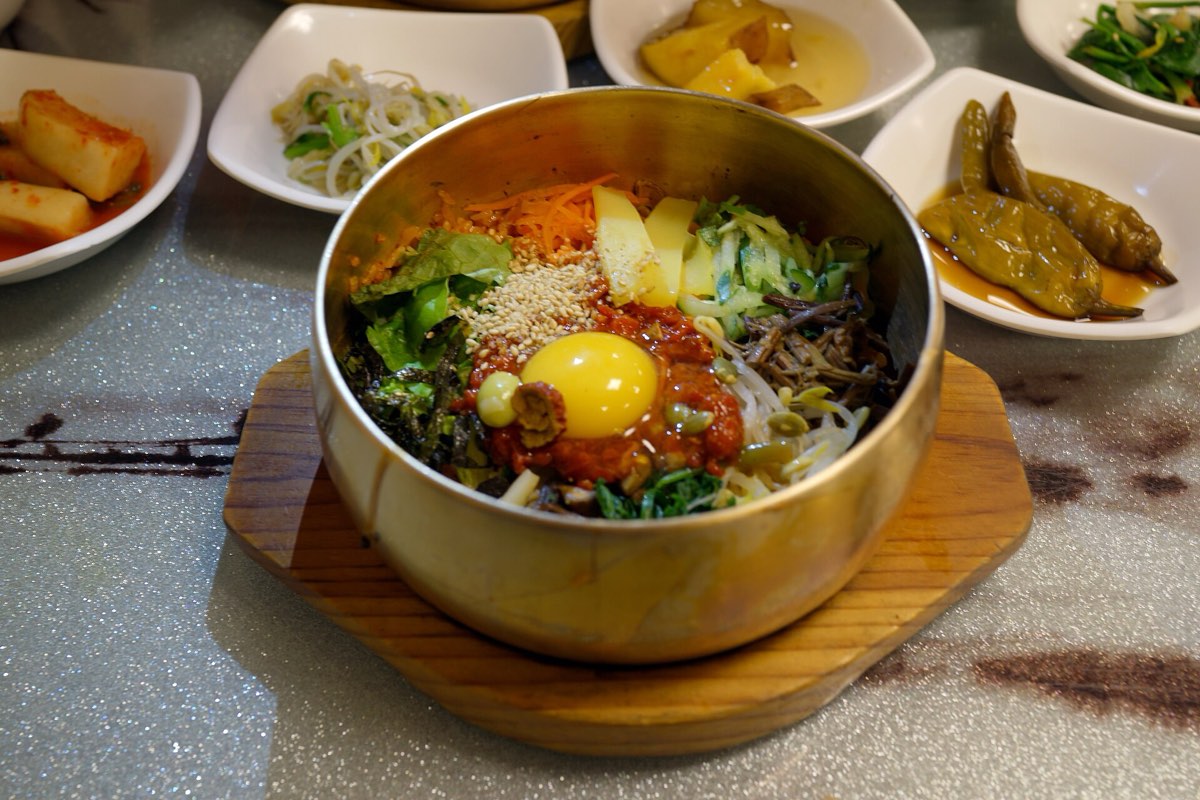
Jeonju works as a day trip, but an overnight leaves room for its food markets and evening lanes. In the city’s survey of 410 foreign visitors in 2025, 74% said they stayed overnight. That is a survey result, not proof that food was their reason to stay.
Here is a food route that connects Nambu Market and the hanok village with the nearby Twenty-Five Twenty-One filming spots. See our Jeonju day-trip itinerary for the walking order.
Start where Koreans start: bean-sprout soup for breakfast
Alongside bibimbap, kongnamul-gukbap (콩나물국밥) is a Jeonju signature: bean sprouts, rice and broth, sometimes with an egg served separately. The city’s Nambu Market guide describes the market’s local style. Choose a shop with a posted opening time and menu price if you want an early breakfast.
Nambu Market: the real one
Nambu Market (남부시장) is exactly the kind of place foreign travellers are now seeking out instead of tourist restaurants — a working 200-year-old market where Jeonju actually shops. Come hungry for:
- Kalguksu — hand-cut knife noodles, the market lunch staple
- Pi-sundae and sundae-gukbap — Jeonju-style blood sausage, richer than the Seoul version
- Moju (모주) — Jeonju’s own spiced, barely-alcoholic rice drink, simmered with cinnamon; locals drink it with breakfast
- The youth mall (청년몰) upstairs — young chefs and craft shops in a retro arcade
The city lists Nambu Night Market on Friday and Saturday evenings. Check that day’s operation before making it your dinner stop.
Hanok village street food
The hanok village’s main lanes are one long snack crawl. The undisputed king is the choco pie from PNB (풍년제과) — a hand-made, cream-filled pie from a bakery founded in 1951 that has nothing in common with the plastic-wrapped kind. Expect a queue; buy a box, they travel well. Between bites: grilled skewers, gyeran-bap egg bread, and hanok cafés hidden in courtyard houses.
Bibimbap, done properly
You should still have one Jeonju bibimbap — often served with seasonal namul and side dishes. Compare the displayed menus around the hanok village: a simple bowl, stone-bowl version and full set are different purchases.
Makgeolli alleys: dinner, Jeonju-style
In Jeonju’s makgeolli alleys, including Samcheon-dong, some pubs bundle side dishes with a kettle of rice wine. The number of dishes, set price and refill rules differ by pub, so read the menu before ordering. This is an evening option if your route ends near the area.
Make it a drama day
Everything above pairs naturally with the Twenty-Five Twenty-One route: morning gukbap → Hanbyeok Tunnel and Seohak-dong across the stream → hanok village snacks → Nambu Market or a makgeolli alley for dinner. The KTX from Seoul reaches Jeonju in about 1 hour 50 minutes — but as the numbers show, you’ll probably want to stay the night.
Frequently asked questions
What food is Jeonju famous for?
Jeonju is the birthplace of bibimbap and a UNESCO City of Gastronomy. Beyond bibimbap, locals rate its kongnamul-gukbap (bean-sprout hangover soup), Nambu Market's kalguksu noodles and blood-sausage soup, makgeolli (rice wine) pub alleys, and the hand-made choco pies from PNB bakery.
Is Nambu Market open at night?
The daytime stalls keep their own hours. Jeonju's tourism office lists the separate Nambu Night Market on Friday and Saturday evenings; check the current schedule before visiting.
How much does a meal cost in Jeonju?
Prices vary by restaurant, portion and season. Decide between a soup breakfast, market snack or full bibimbap set, then check that shop's posted menu before ordering. Older price examples are not reliable booking quotes.
Where is the Twenty-Five Twenty-One filming area, and can I eat nearby?
The drama's Jeonju spots — Na Hee-do's house, the Seohak-dong comic shop and Hanbyeok Tunnel — sit just across the stream from the hanok village. Seohak-dong itself has quiet local cafés, and Nambu Market is a 10-minute walk away.